Dr Bernadette van den Hoogen and Frederique de Graaf
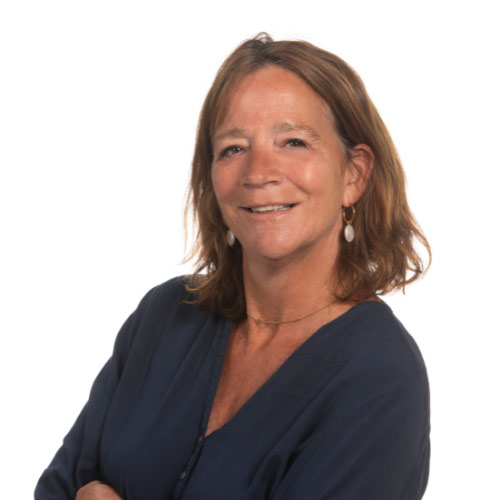
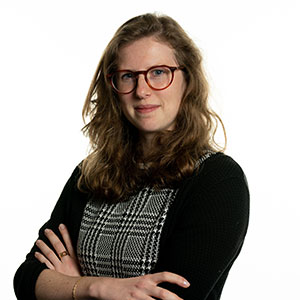 At Erasmus MC, Dr Bernadette van den Hoogen studies how Newcastle disease virus (NDV) can be improved for use in viro-immunotherapy against pancreatic cancer. Frederique de Graaf joined the project as a doctoral researcher.
Oncolytic viruses recognise and kill tumour cells while sparing healthy tissue. They can also activate the immune system, creating a broader antitumour response. Encouraging experimental and early clinical findings have made viro-immunotherapy a promising approach, but any treatment must be safe for both patients and their surroundings.
Bernadette and Frederique investigate genetic changes that could improve NDV’s safety and activity. Bernadette began studying the virus with Professor Ron Fouchier in 2010 at Professor Casper van Eijck’s request. NDV does not cause disease in humans, but it can affect poultry. The team showed that it can kill pancreatic cancer and brain tumour cells and can be administered safely to patients; they also continued working to minimise any environmental risk.
Frederique began her PhD in October 2016. She modifies the virus to strengthen both its direct tumour-killing ability and the immune response it produces, while reducing its ability to cause disease in poultry. The team tests each variant for antitumour activity and environmental safety. The most promising candidates may eventually proceed to clinical trials.
Once the Erasmus MC virus facility became operational, the plan was to begin with a non-genetically modified NDV in a first-in-human safety and dose-finding trial. Participants would receive the virus by injection and remain under observation until they were no longer shedding it. Professors Fouchier and Hoeben and Dr Van den Hoogen received funding from the Dutch Research Council to develop methods for assessing environmental risk and protecting patients and their surroundings during these trials.
If the first trials produce favourable results, the team can manufacture modified variants that have shown greater effectiveness in cell cultures. Development proceeds step by step so that every decision is supported by evidence from patients.
Support Casper has allowed this work to progress far more quickly than it otherwise could. — Dr Bernadette van den Hoogen.
The researchers expected clinical trials within five years and hoped viro-immunotherapy could become a treatment option within ten. Because every patient and tumour responds differently, their longer-term aim is personalised therapy using a range of oncolytic viruses.
Dr Van den Hoogen helped establish the OVIT consortium in 2012 with Professor Rob Hoeben and Dr Martine Lamfers. The interdisciplinary group brings together clinicians and scientists in oncology, virology and immunology from several universities. Its members share knowledge and work to bring oncolytic viruses into clinical practice. Grants from organisations including KWF and the Dutch Research Council support individual projects, while Support Casper provides essential funding across the programme. Collaboration between disciplines and institutions is what makes OVIT distinctive.