The pancreas
We often don't even realize that we have a pancreas. Until something's wrong with it. So let's get to know this oblong organ in the abdomen. The pancreas has the task of producing substances that are important for digestion. Think of enzymes for digesting fat and hormones that are important in balancing the sugar content in the blood.
The pancreas consists of three parts that are called the head, body and tail because of the shape of the organ. The head is under the liver, against the first part of the small intestine. This is the widest part of the pancreas. The body is the middle part and lies behind the stomach. During the transition from the head to the body there are two important blood vessels that supply and drain blood to and from the intestines. The tail of the pancreas ends against the spleen.
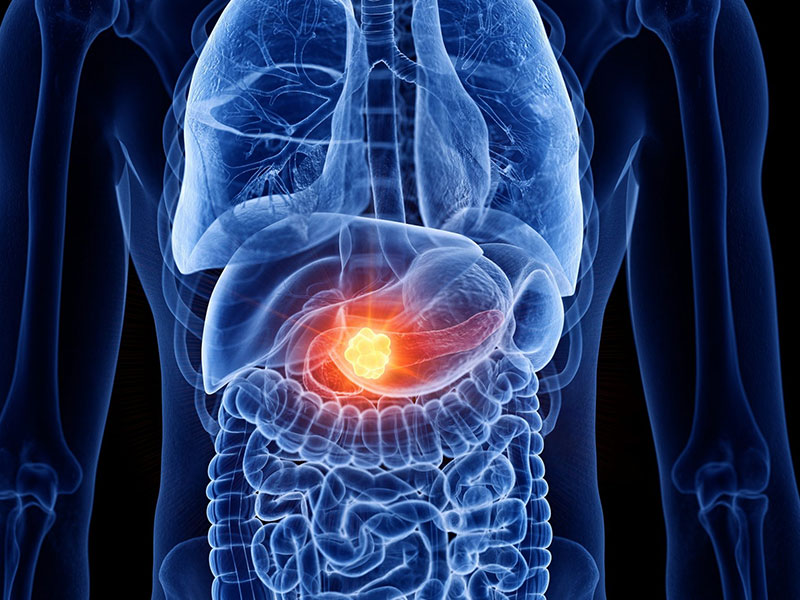
Pancreatic cancer
Pancreatic cancer is relatively common. Around 3,000 people are diagnosed in the Netherlands every year, most of whom are over the age of sixty. Men develop pancreatic cancer slightly more often than women. The exact cause is unknown, but smoking, obesity, alcohol consumption and chronic inflammation of the pancreas can increase the risk. About one in ten patients has a hereditary predisposition.
Different types of tumour can develop in the pancreas. Ductal adenocarcinoma is the most common. It begins in the ducts that carry digestive juices from the pancreas to the small intestine. An adenocarcinoma can occur anywhere in the pancreas, but is most often found in the head.
Survival rates for many cancers have improved over the past thirty years. Unfortunately, progress for pancreatic cancer has been limited. On average, only five out of every one hundred people diagnosed are still alive after five years.