Dr Reno Debets and Ing. Astrid Oostvogels
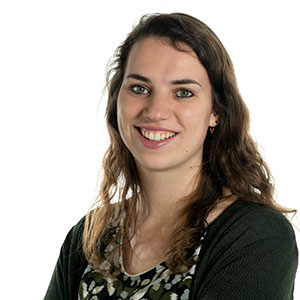
 Astrid Oostvogels has worked as a research technician in Erasmus MC’s Tumour Immunology laboratory since January 2017. The laboratory is led by Associate Professor Reno Debets, who joined Erasmus MC in 2000. Debets began collaborating closely with Professor Casper van Eijck in 2015.
Astrid and Dr Debets analyse blood and tumour samples from people at three broad stages of pancreatic cancer: local and operable disease, locally advanced disease and metastatic disease.
Interest in using the immune system to treat cancer has grown rapidly. Immunotherapy increases the number or activity of particular white blood cells—usually T lymphocytes—so that they can attack a tumour. Combining immunotherapy with standard treatments has improved outcomes in several cancers. Pancreatic tumours, however, contain relatively few active immune cells because those cells are excluded or suppressed. This makes further research, and the search for the right treatment combinations, especially important.
In future, every patient will need an immune passport alongside the tumour’s genetic profile. This will help us understand how the tumour may develop and respond to treatment, and enable us to select and combine therapies for that individual. — Dr Reno Debets.
The immune-monitoring project has so far collected baseline blood-sample data from 100 patients. Astrid and Dr Debets measure twenty immune-cell populations and around 300 combinations of immune markers. The aim is to gather data from 200 patients across the three disease groups, creating a robust basis for comparing the effects of different standard treatments. Combining these immune profiles with survival data may help shape new clinical trials and, within the next one to five years, guide the selection of combination therapies for people with pancreatic cancer.
Astrid Oostvogels says: The research is still at the laboratory stage, so it cannot yet directly help today’s patients. In the next phase, however, immune data may allow us to choose new treatments more precisely.